One moment.
Loading page…
BLOG / CHRIS LANE JONES
For years, web animations were limited to CSS and JavaScript. Smooth, but constrained. Then I discovered React Three Fiber, and suddenly the browser felt like a 3D playground.
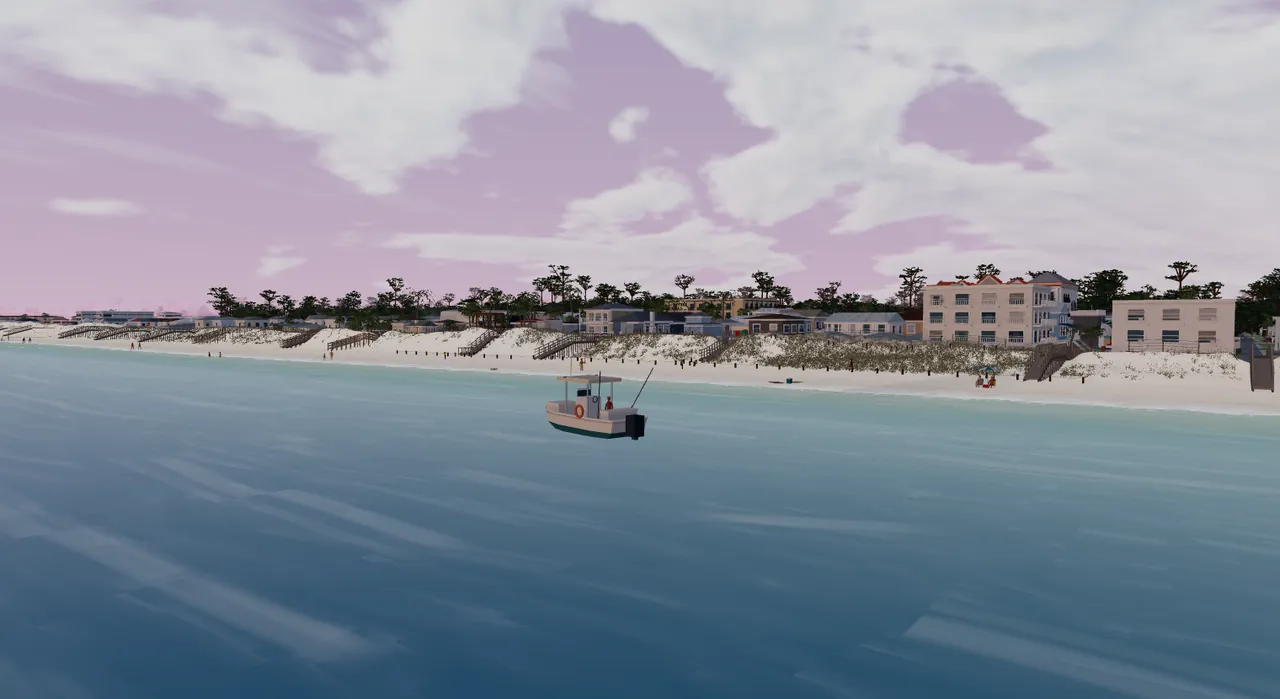
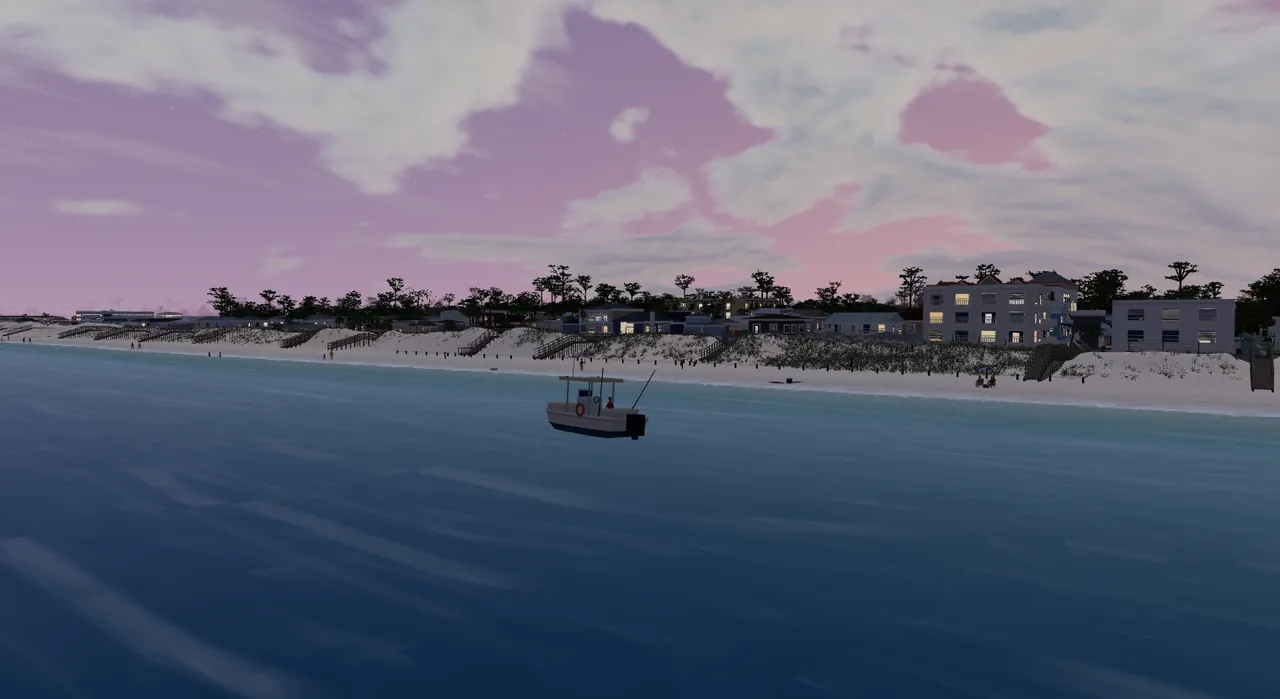
For years, web animations were limited to CSS and JavaScript. Smooth, but constrained. Then I discovered React Three Fiber, and suddenly the browser felt like a 3D playground.
I was deep in learning Blender when I stumbled across a course recommendation on 𝕏 (formerly Twitter). It was Wawa Sensei's React Three Fiber: The Ultimate Guide to 3D Web Development—and it changed how I think about web experiences.
What sold me immediately: I could take 3D models from Blender, export them, and drop them directly into my React components. No clunky plugins, no proprietary formats. Just clean, performant 3D rendered in WebGL through your browser.
React Three Fiber is Three.js, but it feels native to React. Instead of manually managing scene graphs and render loops, you define 3D objects as components. It's declarative, composable, and honestly? It's addictive once you get the hang of it.
The performance is what surprised me most. Animations that would tank a traditional JavaScript implementation run smooth as butter. Real-time lighting, shadows, complex geometries—all at 60fps.
If you want to dive in, here's what I'd recommend:
What excites me is that this technology is becoming mainstream. Interactive 3D on the web used to be a novelty. Now it's a competitive advantage.
Imagine portfolios with interactive 3D models. Product pages where users can rotate and inspect items in real-time. Data visualizations that exist in three dimensions instead of flat charts.
React Three Fiber is making all of this accessible to developers who know React. You don't need to be a 3D graphics expert anymore—you just need to think in components.
The future of web animation is here, and it's rendered in WebGL.
No comments yet. Be the first to share your thoughts!